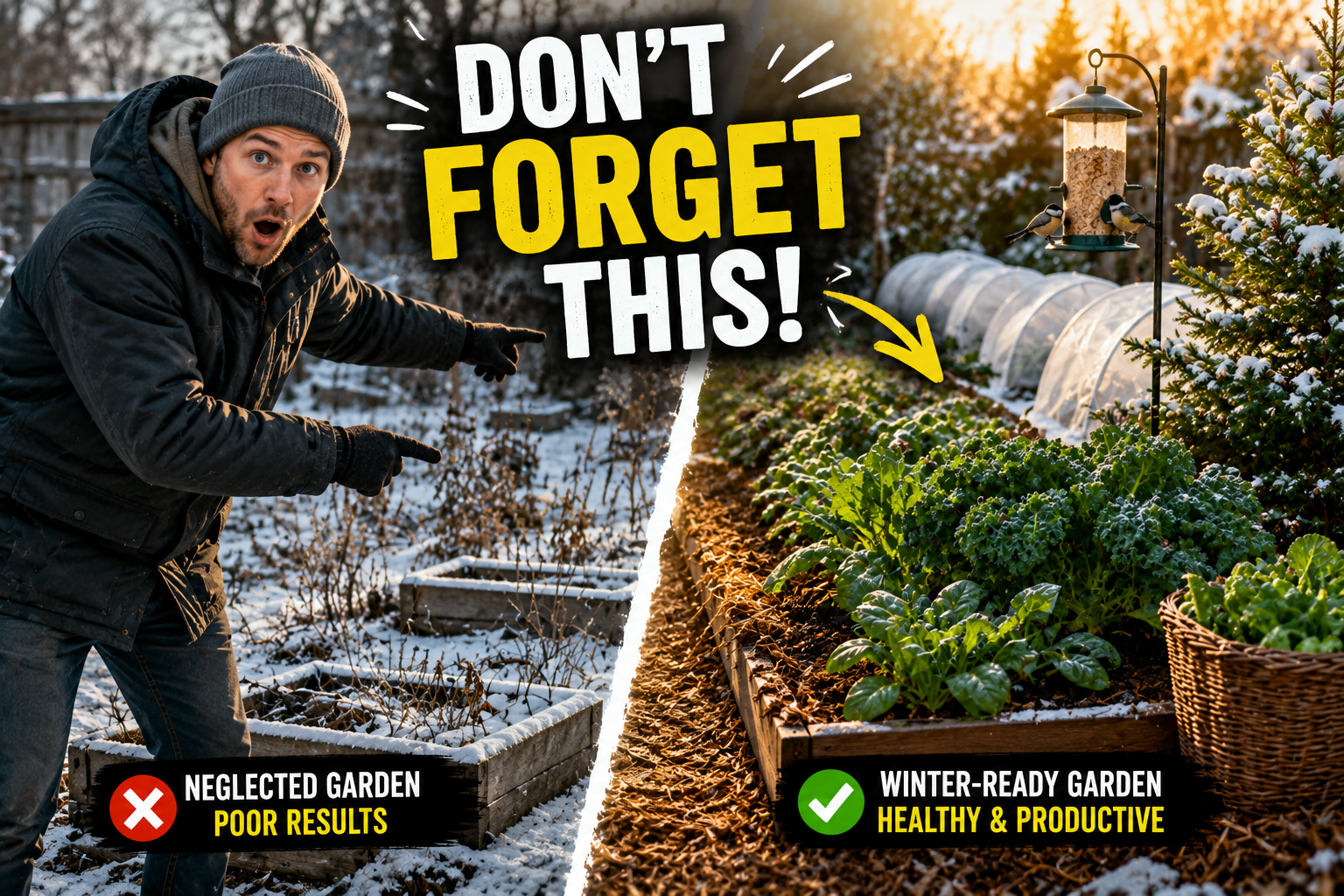
Winter gardening isn’t about taking a break from your garden—it’s about setting the stage for a healthier, more productive growing season ahead.
When temperatures drop and plants go dormant, many gardeners assume there’s nothing left to do outside. But winter is actually one of the most important times of the year for protecting your garden, improving soil health, and preparing for explosive spring growth.
The work you do now can mean the difference between struggling plants and a thriving landscape when warmer weather returns.
A few simple winter gardening tasks can help:
- Protect plants from frost damage
- Improve soil fertility
- Prevent pests and diseases
- Extend your harvest season
- Support wildlife and pollinators
- Create a stronger garden for spring
If you want healthier flowers, bigger harvests, and fewer gardening problems next year, here are eight winter gardening jobs you shouldn’t skip.
1. Clean Up Dead and Diseased Plant Material
One of the biggest mistakes gardeners make before winter is leaving dead plants sitting in garden beds.
While some plant debris can provide habitat for beneficial insects, diseased stems, infected leaves, and rotting vegetation often become winter shelters for pests and fungal diseases.
As temperatures cool:
- Remove diseased plants
- Pull heavily damaged annuals
- Dispose of infected material away from compost piles
- Clean up fallen fruit and vegetables
This simple task helps prevent many common garden problems from returning next season.
Why It Matters
Many insects, fungi, and plant diseases survive winter by hiding in leftover plant debris. Removing their shelter reduces infestations before spring even begins.
2. Apply Mulch Before Deep Freezes Arrive
Mulch is one of the most valuable tools for winter garden protection.
A protective layer of mulch helps:
- Insulate plant roots
- Reduce soil temperature swings
- Retain moisture
- Prevent erosion
- Suppress winter weeds
Good winter mulch options include:
- Straw
- Shredded leaves
- Pine needles
- Wood chips
- Bark mulch
Apply mulch around perennials, shrubs, and garden beds after the soil begins cooling but before severe freezes arrive.
Why Mulch Works
Repeated freezing and thawing can push plant roots toward the surface. Mulch helps stabilize soil temperatures and reduces winter stress.
3. Grow Cold-Hardy Vegetables
Many gardeners are surprised to discover that winter can still be harvest season.
Several vegetables actually thrive in cool temperatures and often taste better after light frosts.
Popular winter crops include:
- Kale
- Spinach
- Swiss chard
- Carrots
- Garlic
- Leeks
- Radishes
- Brussels sprouts
- Parsnips
Some varieties become sweeter as cold temperatures convert stored starches into sugars.
Bonus Benefit
A winter vegetable garden keeps fresh produce available long after most gardens have shut down for the season.
4. Protect Plants with Cold Frames or Covers
Winter weather can change quickly.
A sudden freeze may damage plants that would otherwise survive mild winter conditions.
Protect vulnerable crops using:
- Frost blankets
- Row covers
- Cold frames
- Cloches
- Greenhouses
Even a few degrees of protection can dramatically improve plant survival.
Cold Frame Advantage
Cold frames act like miniature greenhouses, capturing solar heat during the day and protecting plants overnight.
Many gardeners use them to grow vegetables throughout winter.
5. Feed and Protect Your Soil
Healthy gardens begin with healthy soil.
Even if you’re not actively growing crops, winter is the perfect time to improve soil structure and fertility.
Plant Cover Crops
Cover crops help:
- Prevent erosion
- Suppress weeds
- Improve soil structure
- Add nutrients naturally
Popular winter cover crops include:
- Winter rye
- Clover
- Hairy vetch
- Field peas
Add Compost
Spreading compost before winter allows nutrients to slowly integrate into the soil over several months.
By spring, your garden beds will be richer and ready for planting.
6. Water Wisely During Winter
Many gardeners forget that plants still need water during dormancy.
Although growth slows significantly, roots continue functioning whenever soil remains unfrozen.
Winter Watering Tips
- Check soil moisture regularly
- Water during dry periods
- Water early in the day
- Avoid waterlogged soil
Evergreens, newly planted trees, and shrubs are especially vulnerable to winter drought stress.
Common Mistake
Overwatering can be just as harmful as underwatering. Wet winter soil may encourage root rot and fungal problems.
7. Maintain Garden Tools and Equipment
Winter offers the perfect opportunity to tackle garden maintenance projects.
Instead of waiting until spring, use downtime to prepare tools and equipment.
Tool Care Checklist
- Clean dirt from tools
- Remove rust
- Sharpen blades
- Oil moving parts
- Replace broken handles
- Organize storage areas
Don’t Forget Power Equipment
Winter is also a great time to:
- Service lawn mowers
- Change oil
- Replace filters
- Inspect irrigation systems
Well-maintained tools make spring gardening easier and safer.
8. Support Birds and Beneficial Wildlife
Your garden doesn’t stop being important just because it’s winter.
Birds, pollinators, and beneficial insects often struggle to find food and shelter during colder months.
You can help by:
- Installing bird feeders
- Providing fresh water
- Leaving seed heads on some plants
- Creating brush piles for shelter
- Installing insect hotels
Why Wildlife Matters
Many birds consume enormous numbers of garden pests throughout the year.
Supporting them in winter often leads to natural pest control when spring arrives.
Start Planning for Spring Now
Winter is the perfect season for garden planning.
While plants rest, gardeners can prepare for future success.
Use this time to:
- Order seeds early
- Sketch garden layouts
- Research new varieties
- Organize supplies
- Start indoor seedlings
Many popular seed varieties sell out quickly, so early planning often provides the best selection.
Common Winter Gardening Mistakes
Avoid these frequent winter gardening errors:
❌ Leaving diseased plants in garden beds
❌ Forgetting to mulch around roots
❌ Ignoring winter watering needs
❌ Walking on wet garden soil
❌ Failing to protect frost-sensitive plants
❌ Neglecting tool maintenance
❌ Waiting until spring to improve soil
Small mistakes made during winter often create bigger problems later.
Final Thoughts
Winter gardening isn’t about growing at full speed—it’s about protecting, preparing, and planning.
A few simple tasks performed during the colder months can dramatically improve your garden’s health, productivity, and appearance next season.
By mulching, protecting plants, improving soil, supporting wildlife, and planning ahead, you’ll give your garden a strong foundation for spring success.
And when warmer days finally return, you’ll be glad you didn’t completely forget about your garden during winter.